A varsity jacket already brings shape, color, and history to an outfit. The easiest way to wear one well is to stop asking every other piece to do the same thing. Give the jacket a clean base, let the proportions make sense, then add one detail that feels like you.
That is the difference between a jacket that looks lived in and one that feels like a costume. A varsity or letterman jacket has ribbed cuffs, a short hem, contrast panels, patches, or a bold color story built in. It does not need extra help. When the tee, pants, and shoes stay steady, the jacket gets to be the point of view instead of a loud item fighting a loud outfit.
There is no single uniform for wearing one. The useful question is simpler: where are you actually going, and what pieces do you already trust? Start there. This guide gives you a few repeatable outfit formulas, plus the fit and color decisions that make them feel like your own.
Start with the jacket's shape
A varsity jacket usually ends around the waist or high hip, which makes proportion matter. The shoulders should feel easy enough to move in and leave room for a tee, sweatshirt, or light hoodie. The cuffs should land cleanly at the wrist, and the hem should create a line instead of bunching over the pants. If the jacket pulls at the chest or climbs when you sit, it is probably too small. If the sleeves hide your hands and the hem drops well below your hips, it may be doing more than you need.
Use the jacket to decide the rest of the silhouette. A relaxed jacket works naturally with straight denim, easy work pants, or roomier trousers. A closer jacket can make relaxed pants look deliberate because the upper and lower halves have different amounts of volume. Neither approach needs to be tight. You are looking for balance, not a rulebook.
Put it on over your usual tee and stand normally. Raise your arms, sit down, and check the jacket from the side. A good fit still has a clear shoulder line and enough room for the day. That test tells you more than trying to copy a look designed around somebody else’s body.
Build a quiet base first
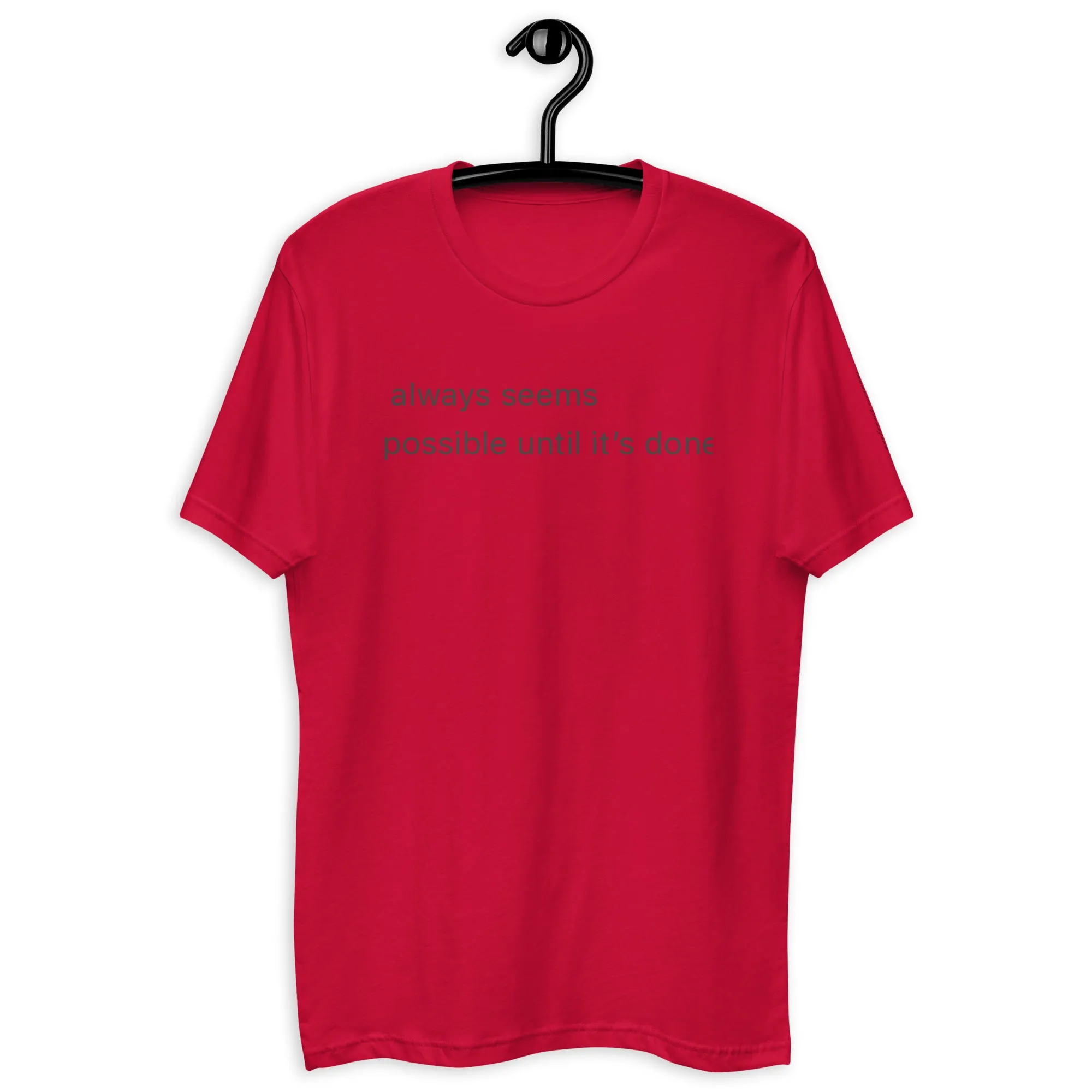
The most reliable varsity jacket outfit starts with a plain base: a solid tee, straightforward pants, and shoes you already wear often. Black, white, cream, charcoal, faded blue denim, olive, and navy are useful because they let the jacket’s color blocking and trim have a job. That does not mean every piece must be neutral. It means you decide where the eye should land first.
For an everyday version, try a light tee, dark straight jeans, and clean sneakers under a darker jacket. If your jacket is mostly black and white, keep the lower half equally calm. If the jacket has one strong accent color, repeat it once in a shoe, cap, or sock, then stop. You do not need to match every stripe. One small connection is enough to make the outfit feel considered.
The same idea works with texture. A worn tee and denim can make a more polished jacket feel relaxed. A clean heavyweight tee and dark work pants can make the outfit sharper without turning it formal. Begin with pieces that can stand on their own. The jacket should improve the base, not rescue it.
Choose pants that keep the balance
Straight-leg jeans are an easy first choice because they create a stable line under the jacket. Start with black, charcoal, faded blue, or a deep indigo pair. The jacket can sit naturally above them without the outfit breaking into unrelated sections. Work pants and relaxed chinos work for the same reason. They have enough structure to support the cropped jacket shape while staying casual enough for a varsity silhouette.
Cargos can work too, especially when the jacket itself is simpler. Choose a pair with a clean leg and useful pockets, not a pair loaded with extra straps or competing graphics. If the pants have a lot of detail, use a plain tee and quiet shoes. If the pants are simple, you can let the jacket or a cap carry a little more character. The goal is not to ban interesting pieces. It is to avoid putting all of them on at once.
Pay attention to the break over your shoes. A straight or slightly relaxed leg keeps the hem from looking pinched against the jacket’s ribbing. Very skinny pants can exaggerate the upper body, while very wide pants can work only when the jacket is roomy enough to answer them. When you are unsure, choose the pants that feel normal on your body. Good outfits are easier to build from a familiar silhouette than from a trend you are trying to force.
Use a graphic tee without making it a contest
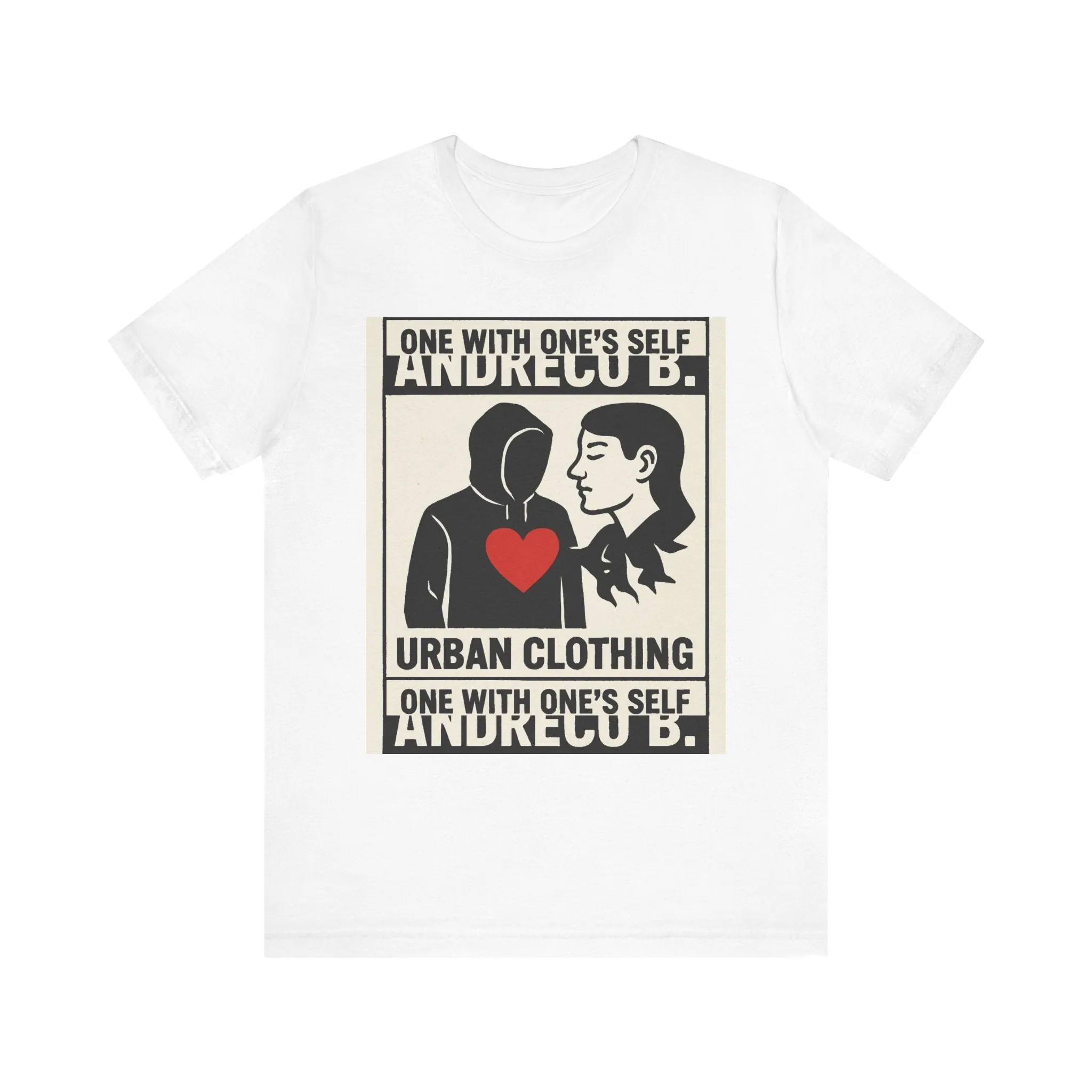
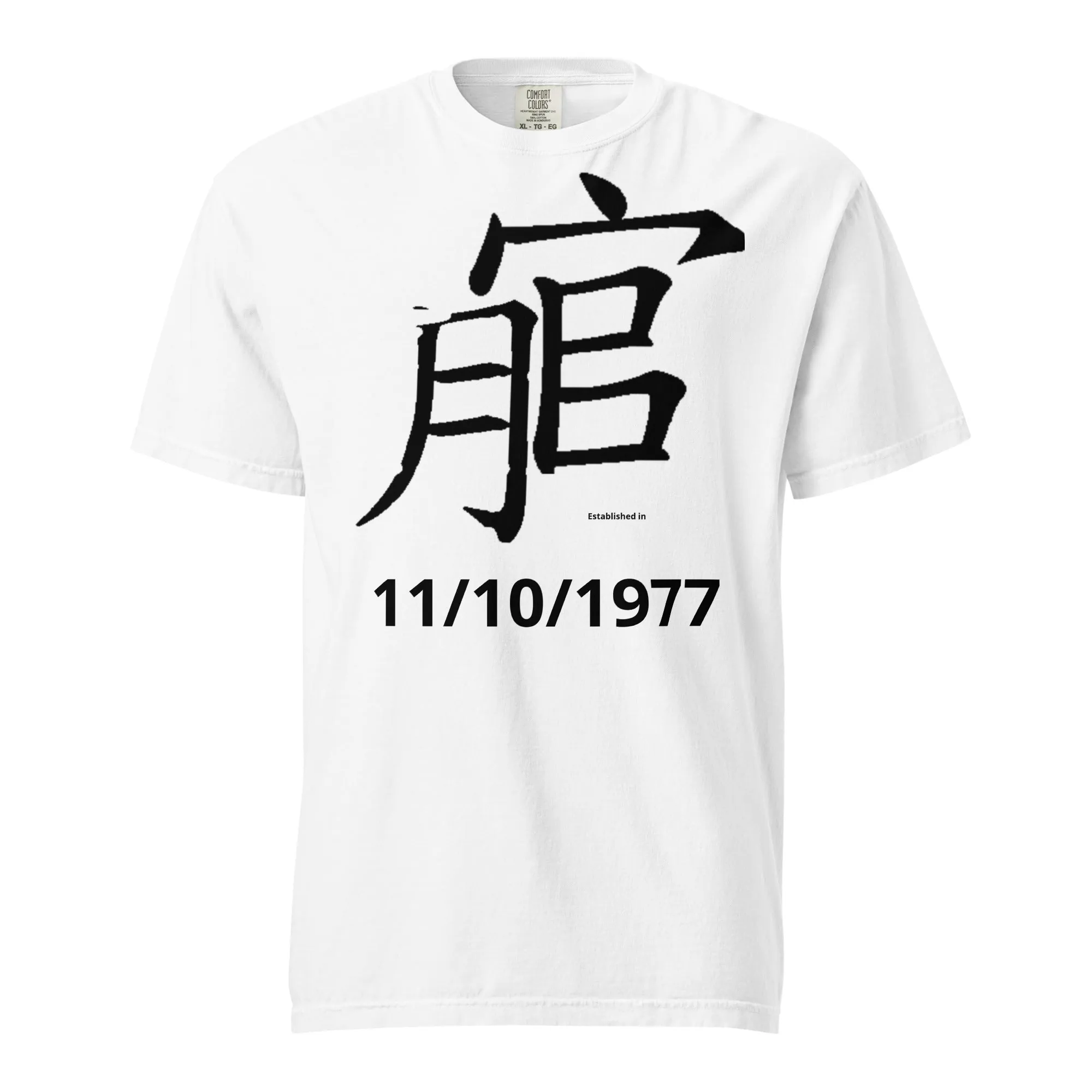
A graphic tee and varsity jacket can be a strong combination. The trick is making one of them the lead. If the jacket has patches, contrast sleeves, or a big color story, choose a smaller or quieter graphic underneath. Let the tee add personality when the jacket is open, then let it disappear gracefully when you button up. A graphic that is too large or too close in color to the jacket can turn the center of the outfit into visual static.
If the jacket is mostly one color, a graphic can take up more space. Try a tee with one color that relates loosely to the jacket, rather than an exact matching scheme. The result feels connected without looking like a set. The same thinking works with a graphic tee from the shop: let its print be visible, but give it neutral pants and one outer layer that does not compete.
For more ways to make a tee the center of an outfit, read the graphic tee style guide. It is especially useful when you want to wear the jacket open and keep the shirt visible through the day.
Layer a hoodie only when it earns its place
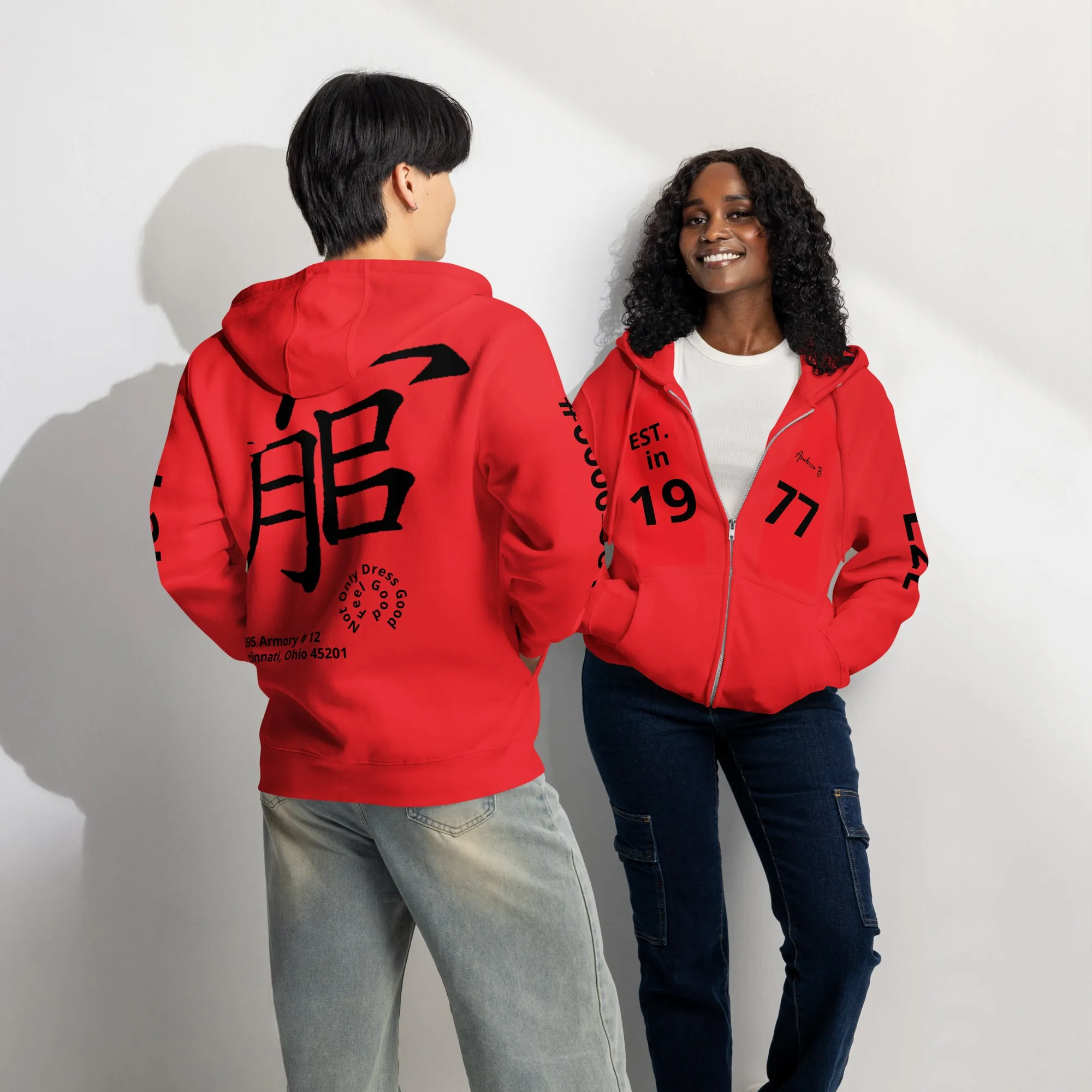
A hoodie under a varsity jacket can add warmth and change the shape, but it has to fit the jacket rather than fight it. Start with a lighter hoodie that has a clean hood and a body that does not pile up under the hem. Keep the colors close, or use one dark neutral for the hoodie and let the jacket carry the contrast. A bulky hood, thick drawcords, and a large chest print can make the neckline feel crowded fast.
Wear the hood behind the collar and make sure the jacket can close without pulling. If the collar sits awkwardly or the sleeves feel tight, save the hoodie for another layer. A zip hoodie can be more flexible because you can leave it open over a tee and let the jacket frame both pieces. A full-zip hoodie gives you that option without requiring the whole outfit to be built around a heavy sweatshirt.
Keep the rest of the look simple when you layer this way. Straight pants and clean sneakers are enough. The jacket, hoodie, and tee have already given you three distinct lines and textures. Your shoes do not need to start another conversation.
Three outfits to try this week
The everyday uniform: varsity jacket, solid white or cream tee, dark straight jeans, and clean low-profile sneakers. This is the place to start if you are unsure. It gives the jacket room and works for an errand, a casual dinner, or a night out without overplanning it.
The graphic-led version: varsity jacket worn open over a graphic tee, relaxed black or olive pants, and simple sneakers or boots. Keep one color from the print or jacket in a small detail, then leave the rest alone. This has more personality without asking every piece to be loud.
The colder-day layer: jacket over a light zip hoodie, a plain tee, darker denim, and shoes with a solid profile. Make sure the hood sits cleanly and the jacket retains its shape. If the layered version feels stiff, go back to a tee and save the hoodie for a day when it is the main layer.
These are starting points, not a shopping list. Swap in the pants and shoes you use most. Then take a quick photo or look in a full-length mirror before leaving. If one piece feels like it is competing, remove it or simplify the layer below the jacket.
Make the outfit work past the first hour
A good jacket outfit should still make sense after a drive across town, a meal, a show, or a change in the weather. That is why comfort deserves as much attention as the first mirror check. Can you sit without the hem riding up? Can you carry what you need without the sleeves feeling stiff? Do the shoes still feel right after a few blocks? The answers matter because the pieces you wear often are the ones that become personal.
Use your normal day as the test. Wear the jacket with the jeans or pants you already trust, then notice what you reach to adjust. If you keep pulling at the shoulders, switch the layer underneath. If the jacket looks great open but you never want to button it, treat it as an open layer and choose a tee you like seeing. If the whole outfit feels good without extra posing, it is doing the job.
This approach also keeps the purchase decision honest. You do not need five new pieces to make a varsity jacket work. One dependable tee, a pair of pants that fit, and shoes you use regularly are enough. Add something new only when it solves a real gap in the rotation.
Let the details feel personal
The varsity jacket already carries a little history, which is why it looks best with details that make sense in your life. A cap you genuinely wear, a watch, a bag you need for the day, or a pair of shoes you have broken in can make the outfit feel personal. Accessories should finish the look, not create a second costume. One or two useful details are enough.
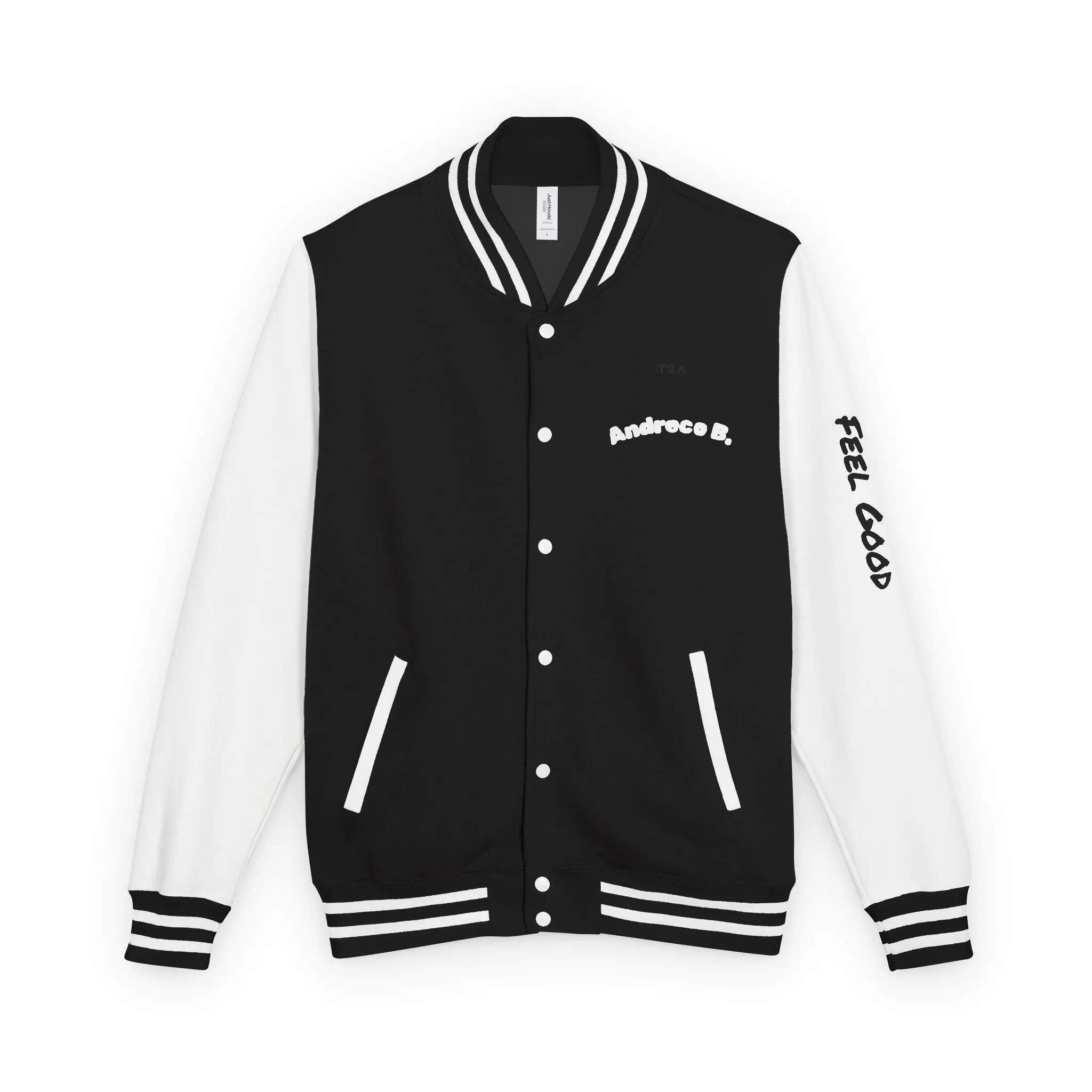
Andreco B. approaches Cincinnati style the same way: start with pieces that have a point of view, then make them part of your real routine. The black and white letterman jacket gives you a strong outer layer, while the Cincinnati T-shirt collection and current shop make it easy to build a base around the pieces you reach for most. You do not need a perfect new wardrobe. You need one outfit that feels right when you walk out the door.
Varsity jacket check
- Does the jacket fit comfortably over the layer you chose?
- Is the tee or hoodie quiet enough to support the jacket?
- Do the pants balance the jacket’s shorter shape?
- Did you repeat one color at most?
- Would you wear this exact outfit somewhere real this week?
Frequently asked questions
What should I wear under a varsity jacket?
A plain T-shirt, sweatshirt, or lightweight knit works well under a varsity jacket. Choose a layer that stays simple enough to let the jacket keep its shape and visual weight.
What pants go with a varsity jacket?
Straight denim, relaxed chinos, work pants, and clean cargos are all reliable choices. Start with a quieter color and a proportion that gives the jacket room to sit at the waist.
Can I wear a varsity jacket with a hoodie?
Yes. Keep the hoodie lighter than the jacket and avoid piling on competing graphics. The hood should sit neatly behind the collar, while the jacket remains the outer layer.
Should a varsity jacket fit loose or fitted?
It should feel easy through the shoulders and allow a light layer underneath. A little room is useful, but the cuffs and hem should still create a clear shape rather than swallowing the rest of the outfit.