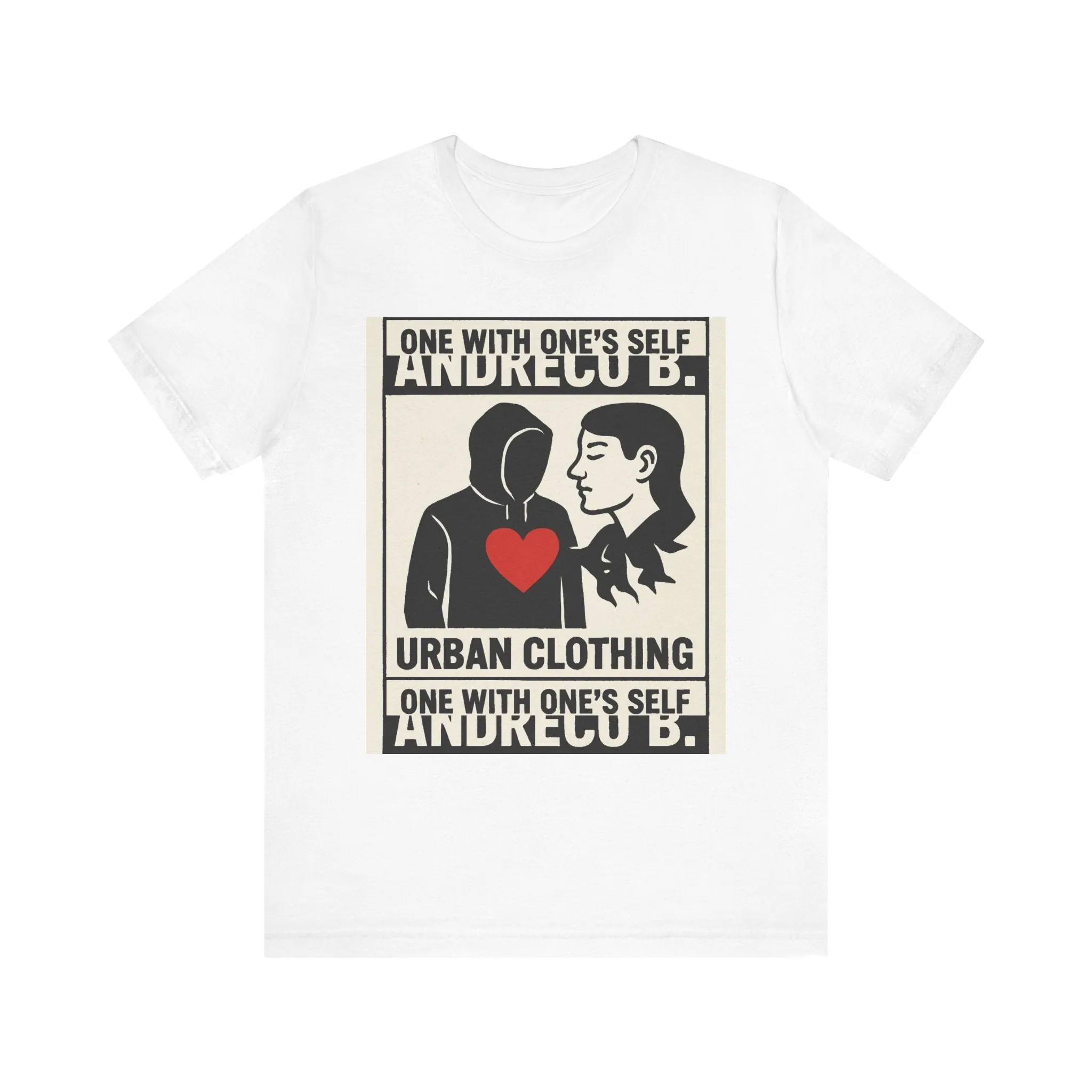
A graphic tee already gives an outfit a point of view. The trick is not piling more ideas on top of it. Start with a good fit, build a simple base around it, then add only what the day calls for. That is how a tee feels like your style instead of something you threw on five minutes ago.
Graphic tees work because they can carry a reference, a color, a memory, or a little attitude without asking the whole outfit to do the same job. They are also easy to overcomplicate when the fit is off, the rest of the look is too busy, or the outfit depends on pieces you would not normally wear. The answer is not a strict uniform. It is a repeatable way to make a few useful decisions.
Use this guide as a starting point. Pick one tee you actually like, pull out the pants and shoes you reach for most, and test small changes one at a time. You will learn more from wearing the combination than from buying three more things for a look you have not tried yet.
Start with the tee, not the trend
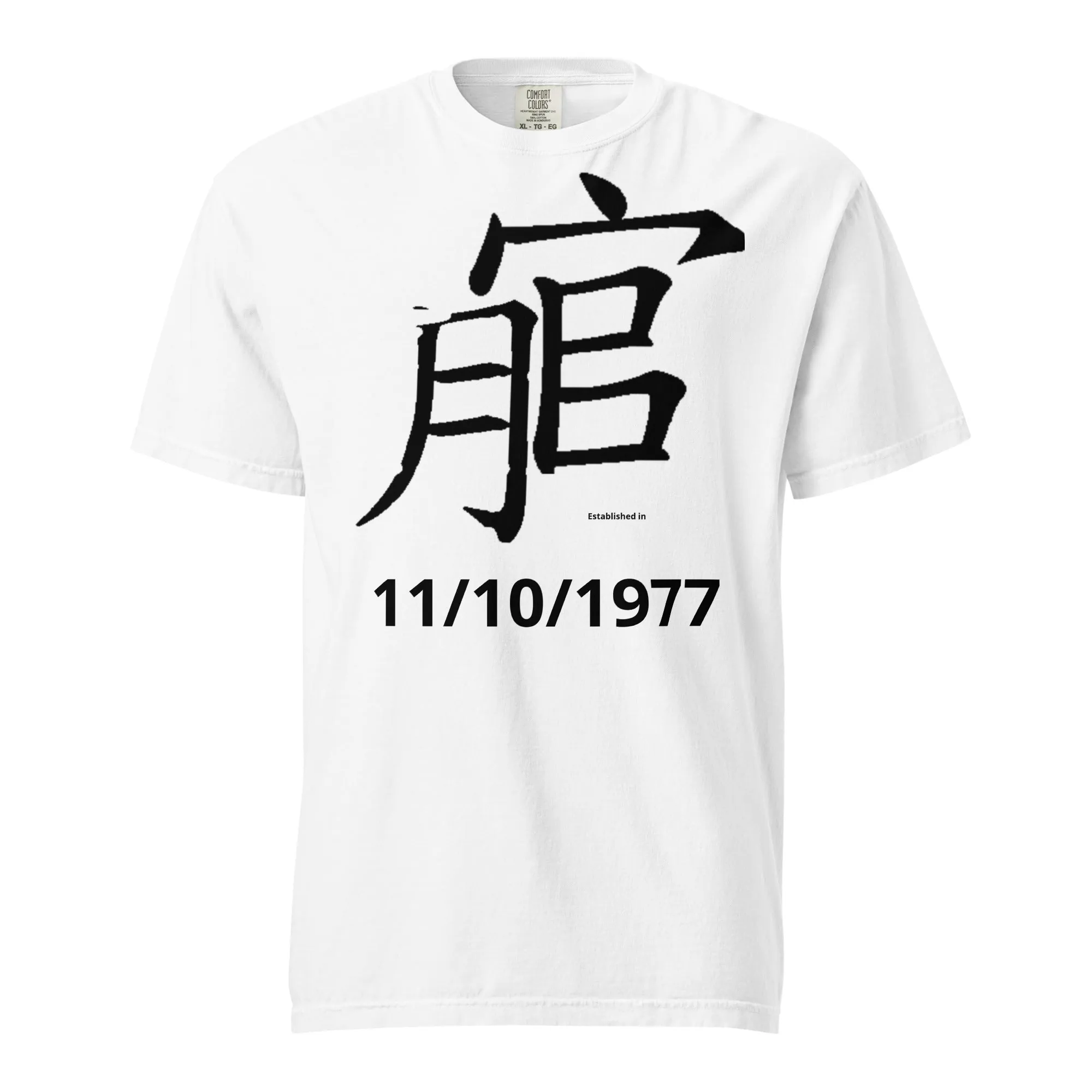
Before you think about layers or accessories, look at the tee itself. Is the graphic loud, small, centered, faded, bright, or full of color? Does it feel playful, athletic, nostalgic, local, or clean? Those details tell you how much the rest of the outfit needs to do. A tee with a big print or strong color works best when the pants and outer layer are calmer. A subtler graphic can carry more texture around it, like denim, a work jacket, or a knit layer.
You are not trying to make every item interesting on its own. You are giving the graphic a clear role. That is why it helps to choose a piece with a point of view. An Andreco B. graphic tee can be the center of a simple outfit because it already has something to say. Let it lead. Then make the rest of the look useful enough to support it.
Get the fit right before you add anything
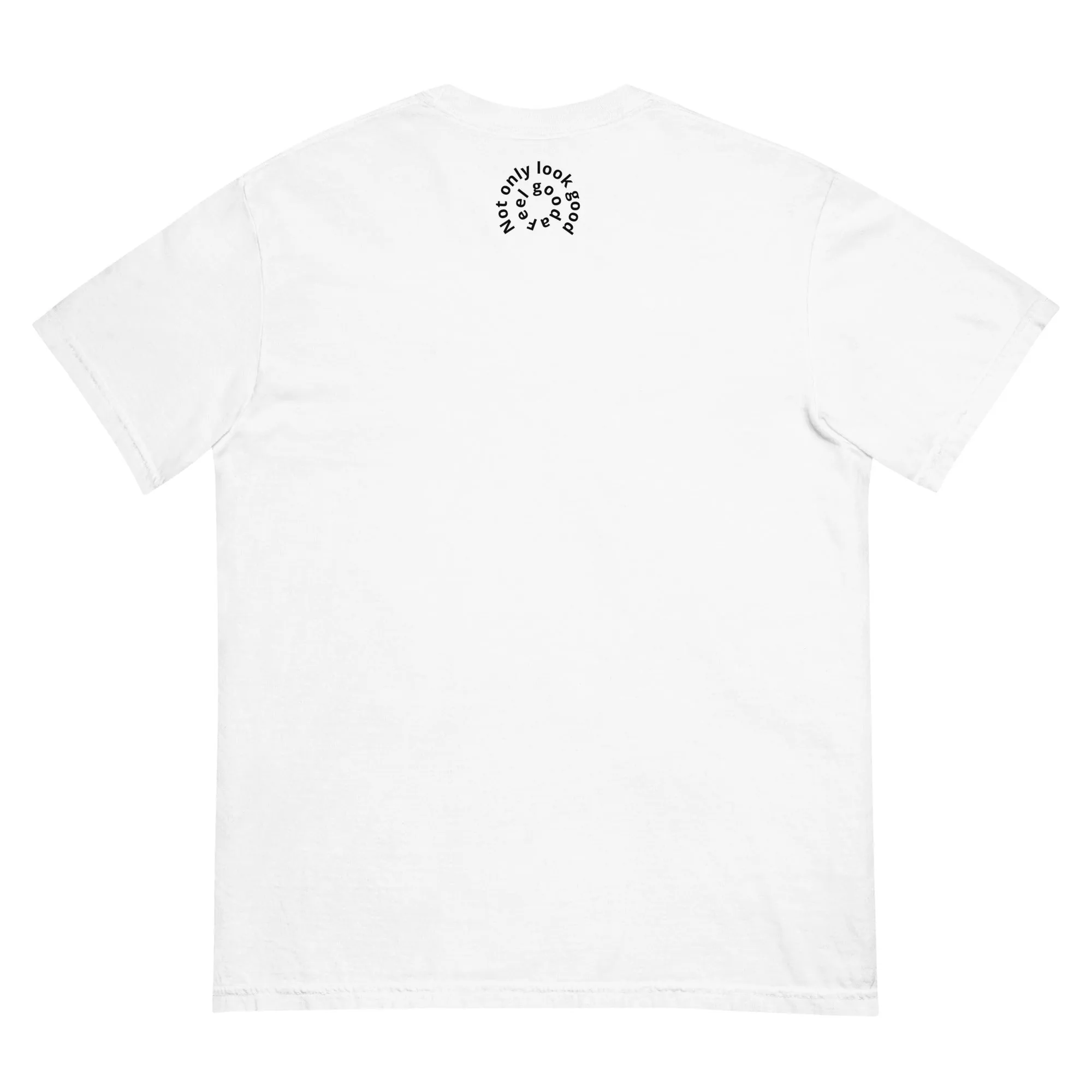
Fit is the part that makes a graphic tee look intentional or accidental. The shoulders should sit where your shoulders actually are, unless you are choosing a deliberately oversized silhouette. The collar should lie flat. The fabric should not pull across the chest. The hem should work with the rise of your pants instead of cutting the body into two unrelated halves.
There is room for more than one fit. A relaxed tee with straight or slightly roomier pants creates an easy, grounded shape. A closer tee with relaxed pants gives contrast and can make the whole outfit feel sharper. An oversized tee can work too, but it needs balance below the waist. Pairing a long, wide tee with equally oversized pants can make the outfit lose its shape unless you know that is the look you want.
Try the tee with the pants you already wear most. Stand normally, sit down, and look at the full silhouette in daylight. That tells you more than tugging at the fabric in front of a mirror. If the tee feels too tight, too long, or too stiff, do not expect a jacket to solve it. Start with a base that feels good on its own.
Build the base with quiet pants and clean shoes
The easiest way to style a graphic tee is to keep the lower half steady. Straight-leg jeans, relaxed chinos, work pants, cargos, and simple shorts all give the tee somewhere to land. Black, charcoal, faded blue denim, olive, cream, and navy are useful because they do not argue with most prints.
Match the energy, not every color. A bright graphic does not need bright pants. If the tee is bold, a darker or more neutral bottom usually gives the outfit enough contrast. If the tee is washed out or vintage-looking, denim or a faded work pant can keep that softer feeling going. If the graphic is clean and modern, a simpler pant with less distressing will usually feel more deliberate.
Shoes should do the same job. A clean sneaker, boot, canvas shoe, or casual loafer can all work, depending on the day. You do not need a rare pair to make a tee outfit work. You need a pair that is in good shape and feels right with the pants. If the shoe has color, let it echo one small detail in the tee rather than trying to match every shade.
Add one layer that changes the shape
Layers are what turn a graphic tee from a single item into an outfit. The goal is not to bury the print. It is to frame it, change the proportions, or give the look a little more range when the temperature drops. A zip hoodie is dependable because you can wear it open and keep the graphic visible. A denim jacket adds structure without asking much from the rest of the outfit. An overshirt can make the same tee work for a casual dinner, a show, or a day when you want to look slightly more put together without feeling dressed up.
Think about weight as well as color. A heavier outer layer over a lighter tee creates useful contrast. If the tee is oversized, avoid putting a very bulky layer over it unless you want a bigger silhouette all the way through. If the tee is closer to the body, a roomier jacket can give the outfit movement. One useful layer does more than three pieces fighting for attention.
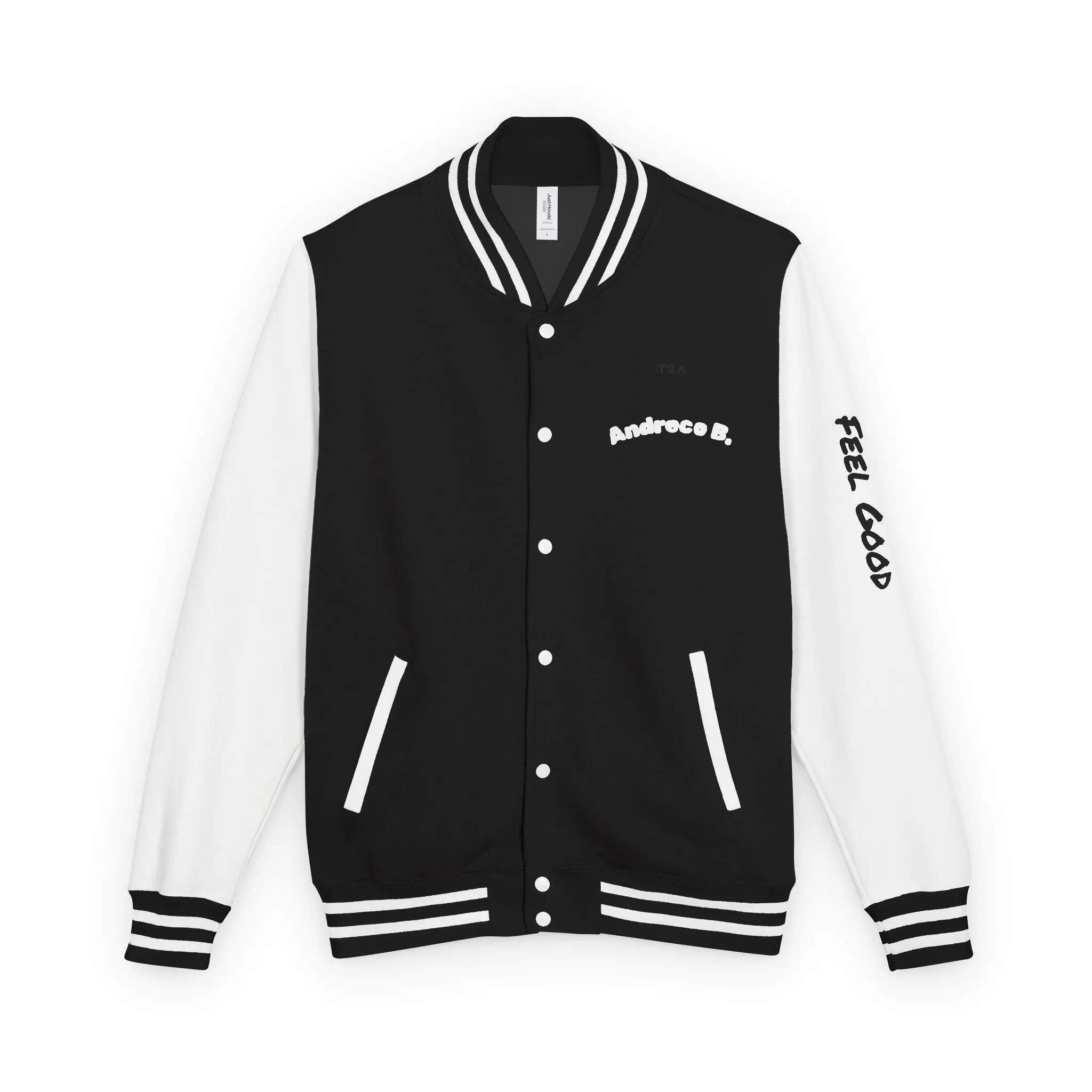
A black and white letterman jacket is a good example: it gives a graphic tee a frame, adds a sharper shoulder line, and still leaves the tee visible. The jacket changes the shape. The graphic still tells the story.
Use color once, then let it breathe
Color is where a simple tee outfit can start to feel connected. Look at the graphic and choose one color you would be happy to repeat. That might be a small note in the shoe, a cap, a sock, a jacket lining, or even just the tone of the denim. You do not need a perfect match. You only need enough of a relationship that the outfit does not look random.
For most people, two neutrals and one accent color is plenty. A black tee, blue denim, and a small red detail can look intentional. A cream tee, olive pant, and a faded blue layer can feel just as strong. When there are five colors competing, the graphic stops being the focus and the outfit starts to feel like a pile of individual choices. If you are unsure, remove one thing before adding another. The outfit rarely needs more accessories. It usually needs a little room.
Choose accessories like punctuation
Accessories should finish the sentence, not start a new one. A cap, watch, chain, tote, or pair of glasses can make the outfit feel more like yours, but one or two is enough. The best accessory is usually the one you already wear often because it brings a personal pattern into the look. A cap can add structure to a relaxed tee and pants. A watch can make a simple outfit feel considered. A small bag can be useful and visually clean at the same time.
This is how you avoid the costume problem. Instead of buying accessories to look like someone else, use the things that make sense in your real day. The detail should still feel right after the photo is over, when you are carrying groceries, meeting friends, or heading home from work.
Make three outfits from one tee
Before you buy another graphic tee, see whether the one you own can do more than one job. Start with a casual everyday version: tee, straight-leg denim, clean sneakers, and one small personal detail. This is the outfit you can put on without planning a whole event around it.
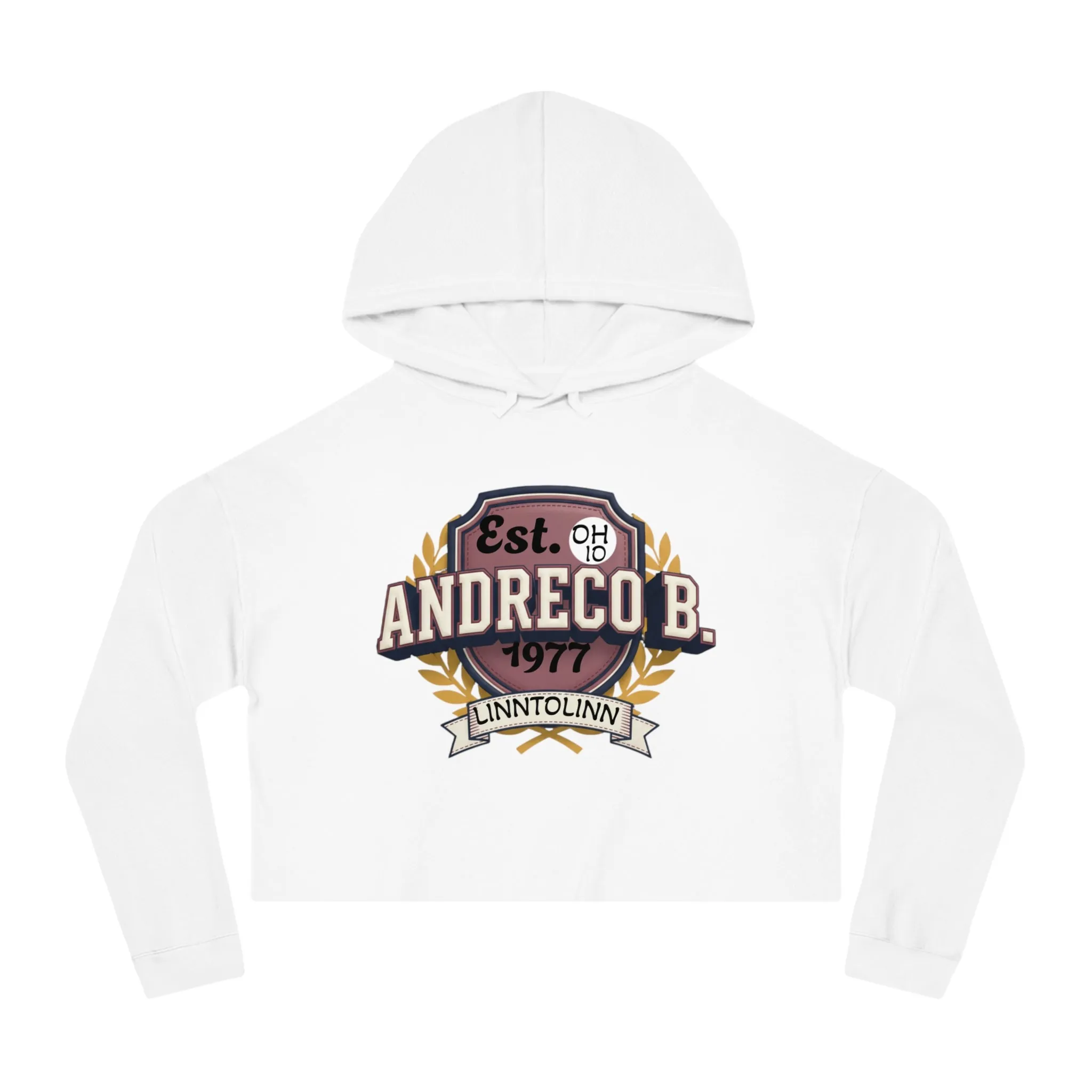
For a layered version, keep the same tee and pants, then add an open zip hoodie or jacket. The tee still leads, but the silhouette changes. This is where a cropped hoodie or a more structured jacket can change the balance without making the outfit feel complicated. For a sharper version, use the tee with darker pants, cleaner shoes, and one structured layer. The difference is not that you suddenly look formal. The difference is that the pieces look chosen together.
Making three combinations does more than save money. It helps you notice what role the tee actually plays in your closet. If it works with the pants and layers you already own, it is a keeper. If it only works in one imagined outfit, it might be more of a nice idea than a useful piece.
Keep the graphic personal
The strongest graphic tees usually mean something to the person wearing them. Maybe the image reminds you of a place, an era, a team, a feeling, or a conversation. Maybe it is simply a design you would rather see than another blank shirt. That personal connection is more useful than chasing a drop because somebody else called it essential.
Andreco B. is built around that idea. The collection gives people graphic tees, layers, and finishing pieces with a Cincinnati-rooted point of view, then leaves room for each person to make the outfit their own. Start with the current shop, choose the tee or layer you can picture wearing this week, and build from there. For another way to think about the bigger outfit, read Cincinnati Streetwear: Build a Look That Feels Like You.
Graphic tee check
- Does the tee fit well before you add a layer?
- Are the pants quiet enough to let the graphic lead?
- Did you repeat only one color from the print?
- Does the layer frame the tee instead of hiding it?
- Would you wear this exact outfit somewhere real this week?
Frequently asked questions
How should a graphic tee fit?
Choose a fit that lets the graphic sit flat without pulling across the chest or hanging so long it swallows the rest of the outfit. Relaxed and closer-to-the-body fits can both work. What matters is how the tee works with the pants and layer you plan to wear.
What pants look best with graphic tees?
Straight-leg denim, relaxed chinos, work pants, cargos, and simple shorts are all strong options. Start with a solid color and a shape you already know feels right. The tee can provide the message while the pants keep the look grounded.
Can I wear a graphic tee with a jacket?
Yes. A jacket is one of the easiest ways to make a graphic tee feel more considered. Keep the jacket simple enough that it does not compete with the print, then use the tee as the visual center of the outfit.
How many colors should I wear with a graphic tee?
A simple palette is usually easiest: two neutrals plus one color from the graphic. You do not need to match every shade. Repeating one small color note in a jacket, shoe, or hat is enough to make the outfit feel connected.