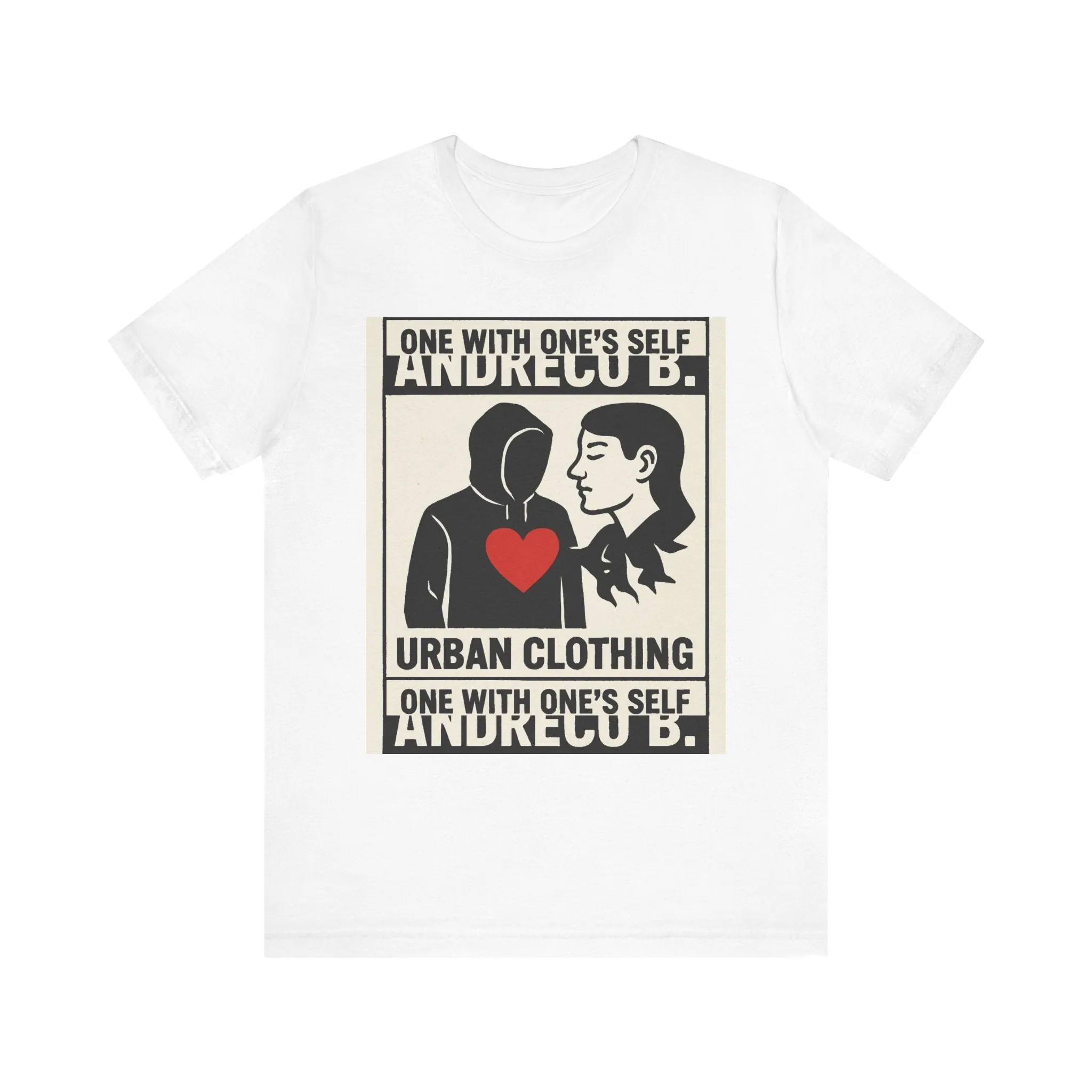
Cincinnati streetwear is not a uniform. It is the way useful clothes, personal history, and a little nerve meet on an ordinary day. A good look can handle a commute, a shift, an errand, a show, and a late meal without asking you to become somebody else for any of them. That is a better standard than chasing whatever showed up on a feed this week.
Building that kind of wardrobe starts with noticing what you already reach for. Maybe it is a heavyweight tee that has softened in the right places, a clean pair of sneakers, a jacket that makes a plain outfit feel finished, or a cap you grab without thinking. Streetwear works when those choices feel intentional together, not when every item is trying to win the room alone.
Start with the life you actually live
Before you buy anything, name the places your clothes need to go. A week in Cincinnati can move from a chilly morning to a warm afternoon, then into a night that lasts longer than planned. You may be driving across town, working on your feet, meeting people after work, or catching a game. Clothes that only work for one carefully staged photo become expensive closet decor fast.
Make a small list: your regular workday, your off-day, and the occasion where you want to look a little sharper. Then look for overlap. A solid tee, comfortable pants, and a layer with some weight can travel across all three. The point is not to dress the same every day. It is to give yourself a dependable starting line, so getting dressed takes less thought and says more.
That is why a well-edited collection matters more than an endless one. When a piece earns its spot in different situations, it becomes part of your language instead of a one-time costume.
Build the outfit in three moves
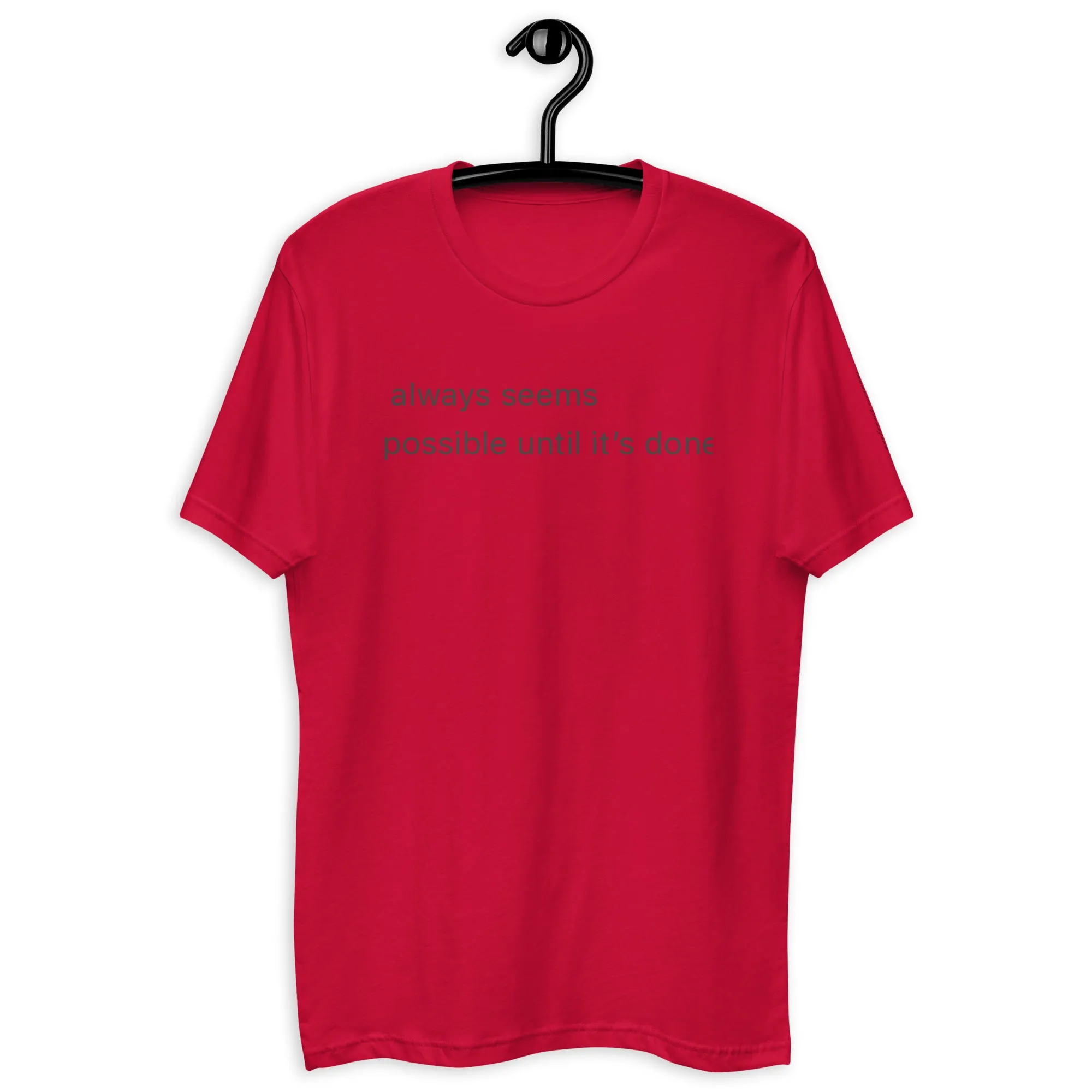
The simplest strong outfits usually have three jobs covered: a base, a layer, and a detail. The base is the piece closest to the center of the look, often a tee, sweatshirt, or pair of pants in a shape you trust. The layer changes the silhouette and gives the outfit some range. The detail is the choice that makes it yours, whether that is a graphic, a hat, a color, a patch, a watch, or the way you wear your shoes.
Start by keeping two of those moves quiet. If the tee is loud, use a steadier layer and a simple hat. If the jacket is the statement, let the shirt underneath do its job without competing. If the shoes have the color, repeat a small note of that color somewhere above the waist. This approach is not about playing it safe. It is about giving the eye one clear place to land.
Proportion does more work than people give it credit for. A shorter jacket can sharpen a relaxed pant. A roomier hoodie can make a straighter jean feel less stiff. A fitted cap can balance a boxier top. Try one change at a time, then take a step back. If you can tell exactly what changed, you are learning how the outfit works instead of copying a formula.
Let one piece tell the story
Streetwear gets its energy from meaning. That does not have to mean a huge logo or a graphic with a paragraph of text. It can be a reference to your neighborhood, a color that reminds you of a team or a season, a phrase that sounds like home, or a piece that marks a small win. The strongest statement pieces give you something to say when someone asks about them, even if your answer is only, “I liked what it stood for.”
Choose that piece first, then build around it. A graphic tee can be the center of a relaxed outfit with dark pants, clean sneakers, and an open layer. A jacket with a city reference can lead with a plain tee underneath. You do not need every item to announce Cincinnati. One honest reference is more convincing than turning yourself into a souvenir shop.
This is where personal style beats trend-following. Your best outfit may look different from the next person’s because the point is not to dress like the city has one official uniform. It is to dress like you have a relationship with it.
Use layers to make everyday clothes work harder
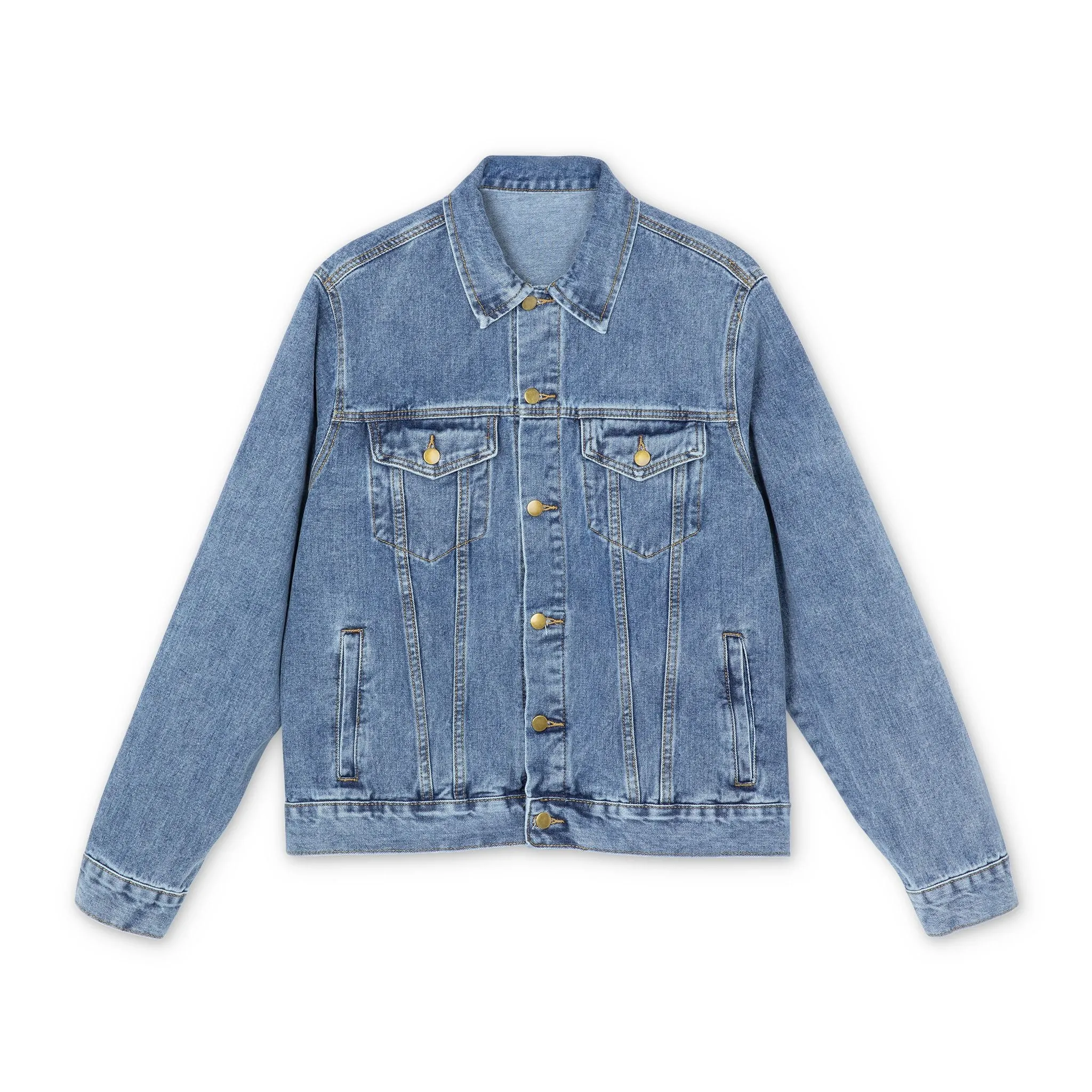
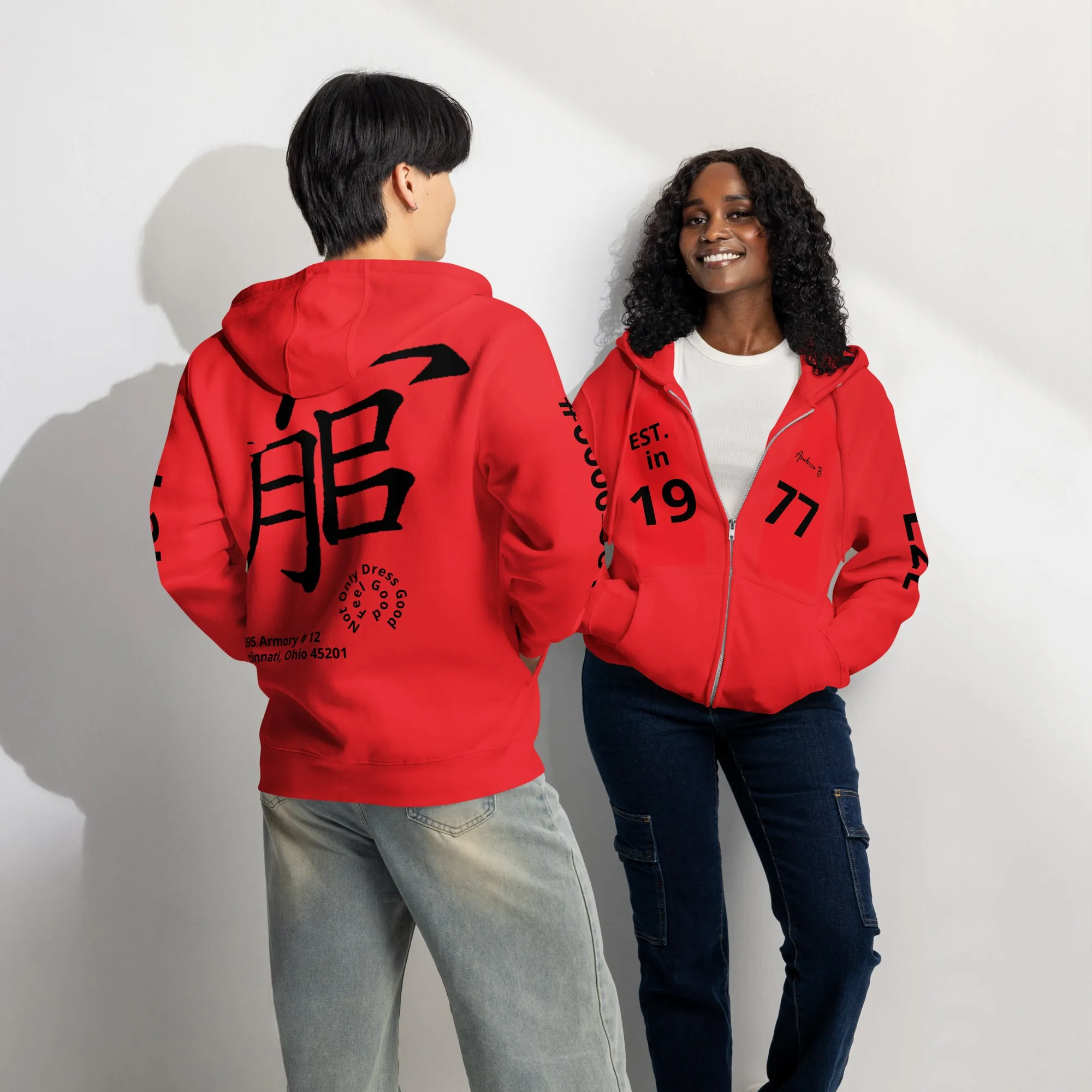
Layers are the fastest way to turn familiar pieces into more than one outfit. A zip hoodie over a tee gives you an easy option for a cool morning, then opens up when the temperature changes. A denim or varsity-style jacket can pull a simple base together without making the outfit feel formal. The key is leaving enough room for the pieces to move. A tight tee under a tight hoodie under a tight jacket is not a look. It is a scheduling conflict.
Think in weight as well as color. A thin tee under a heavier fleece creates contrast. A structured outer layer over softer fabric keeps the outfit from looking flat. If everything is bulky, pick one piece to be cleaner. If everything is slim, let one piece relax. The goal is a silhouette you can move in and recognize from across the room.
A full-zip hoodie is especially useful because it can work as the main layer or a middle layer. Closed, it gives the outfit a solid center. Open, it frames the tee underneath. That flexibility is what makes a piece worth keeping in rotation.
Make the color plan simple on purpose
Color does not need to be complicated to feel deliberate. Start with two neutrals, then choose one color that does a little work. Black, cream, gray, denim, olive, and white all give graphics and brighter details somewhere to breathe. From there, a red graphic, blue cap, orange accent, or a pair of standout shoes can carry the energy.
Repeating a color once is usually enough. If your hat has a small blue mark, a blue detail in the tee or shoe can tie it together. Repeating it five times turns coordination into a costume. The same goes for prints. Let one print lead. If you want a second, make sure it is quieter in scale or color.
When you are unsure, take a photo in normal light, not a dark mirror. You will see right away whether the colors are working or whether every part is shouting. A simple color plan also makes it easier to get more combinations from the pieces in the current drop.
Finish with a detail that feels lived in
The last detail should not look borrowed from somebody else’s outfit. It should feel like the thing you would still wear after the picture is over. For some people that is a cap. For others it is a beat-up watch, a chain, a tote, a pair of glasses, or the specific way they lace their sneakers. Small choices make a look memorable because they feel less manufactured.
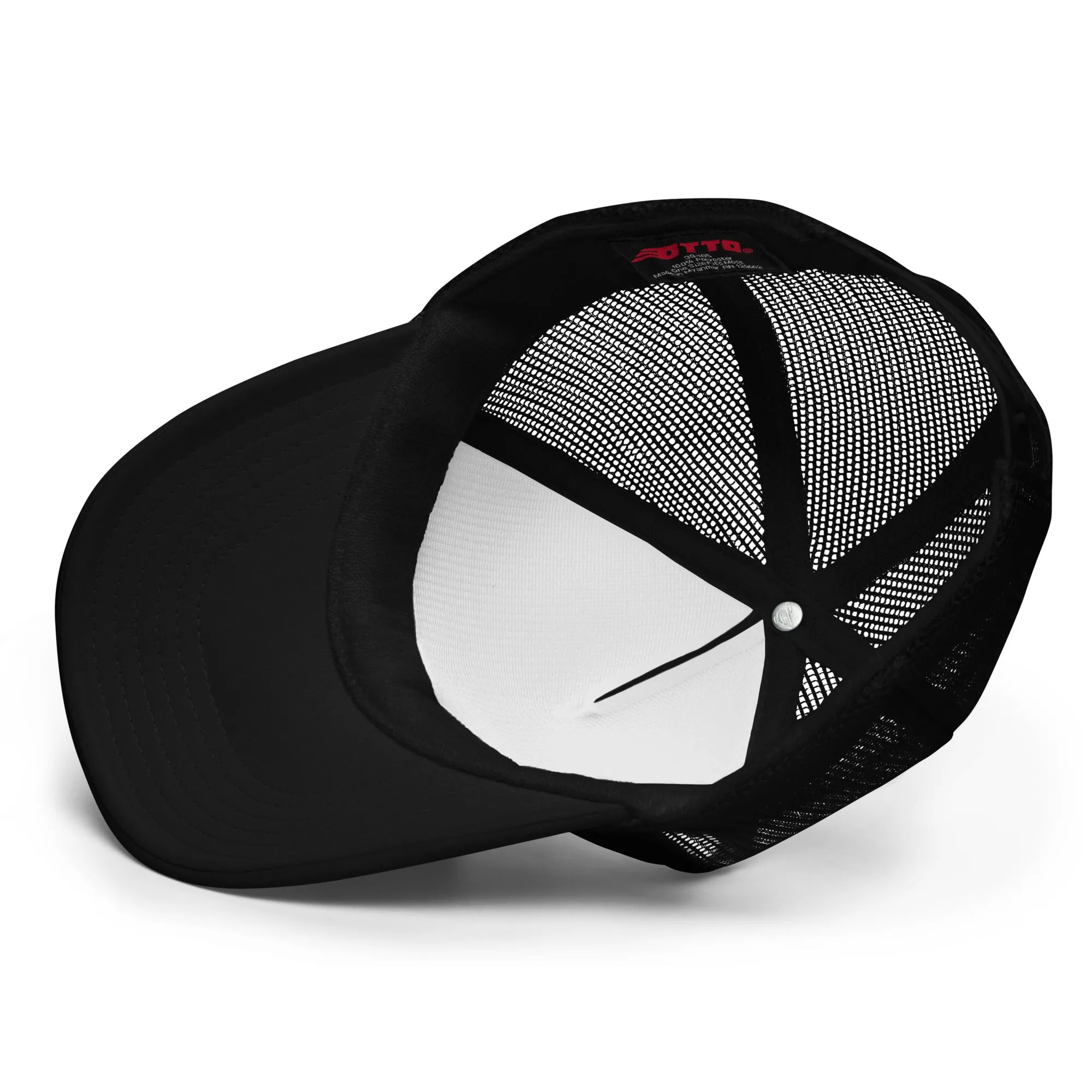
A cap is useful because it can change an outfit’s balance in seconds. It can make a clean layer feel more relaxed, put a graphic tee in a different context, or bring a little structure to a softer silhouette. A foam trucker hat works best when it is treated as a finishing move, not a reason to add three more accessories.
Give yourself permission to repeat the details that work. Personal style comes from patterns. The person who always wears one reliable jacket, one kind of pant, or one shape of hat is not out of ideas. They are building a signature.
Buy for rotation, not for the rush
Before adding a piece, picture it with three things you already own. If you can see the combinations, it has a chance to become a regular. If it only works with an imaginary closet full of other purchases, leave it for now. This one habit keeps your wardrobe from filling up with almost-right clothes.
It also helps to ask what role the new piece will play. Do you need a stronger base? A layer that works in more weather? One statement item to break up a simple rotation? A better version of something you already wear out? Buying with a role in mind makes the choice clearer and helps you notice quality, fit, and versatility before the novelty wears off.
Give a new piece a few wears before deciding what it is. Try it with your reliable jeans one day, a different layer the next, and the shoes you reach for most. The combinations that keep working are the ones worth remembering. A wardrobe gets stronger when you learn to use what is in it, not just when you add to it.
Streetwear has room for the unexpected, but it earns its keep through repetition. The best pieces come back around because they fit your life, not because a release calendar told you to care about them.
How Andreco B. fits into the picture
Andreco B. is built from the idea that local identity and everyday wear belong in the same closet. The brand’s Cincinnati story is not about dressing up for a city theme. It is about pieces with enough substance to move through a real day, then enough character to hold their own when you step out.
Start with the piece that feels closest to your own rhythm. Build around it slowly. A tee can set the tone. A layer can give it range. A cap, jacket, or graphic can make the whole thing personal. Browse the full collection, keep what fits the life you live, and let the rest of the outfit come together from there.
A quick outfit check
- Can you wear it to more than one place this week?
- Is one piece leading the look while the others support it?
- Do the proportions give you room to move?
- Is the personal detail actually yours, not just loud?
- Can the new piece work with at least three things you own?
Frequently asked questions
What makes an outfit feel like Cincinnati streetwear?
It starts with useful pieces, a point of view, and one or two details that mean something to you. The goal is not a uniform. It is a look that carries your real day and your own connection to the city.
Do I need expensive clothes to build a good streetwear outfit?
No. A strong outfit is more about proportion, fit, and repetition than a long list of new purchases. Begin with a dependable base, add one layer, and use one personal detail to make it yours.
How many statement pieces should I wear at once?
Usually one is enough. Let a graphic tee, jacket, or pair of shoes lead, then keep the rest of the outfit steady enough to support it.
How should I shop for pieces that I will actually wear?
Picture three real places you already go. If the piece works in at least two of them and can pair with clothes you own, it has a better chance of becoming part of your regular rotation.